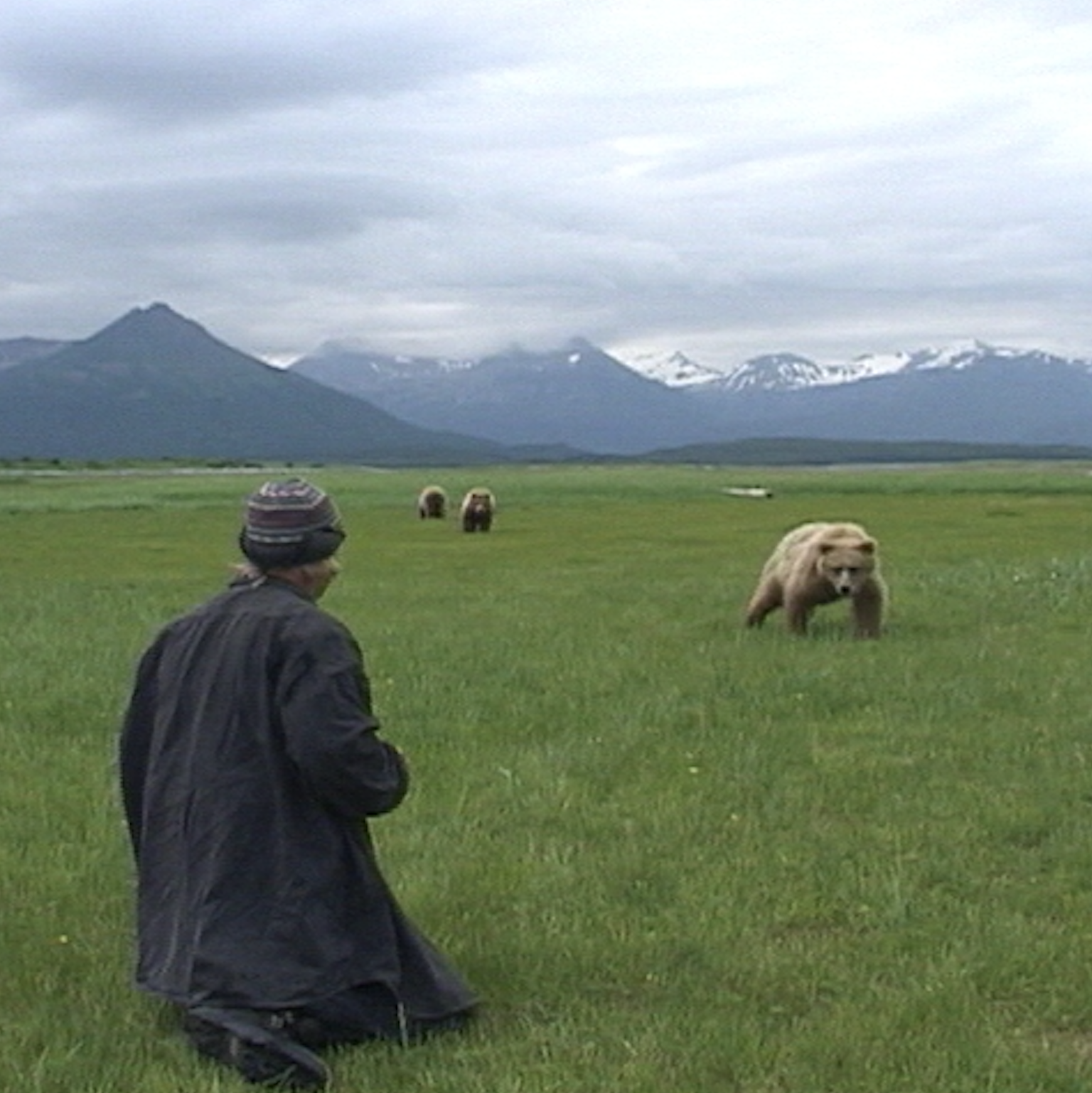
 Timothy Treadwell spent thirteen consecutive summers living among grizzlies in Katmai National Park, Alaska. He gained a national reputation for his escapades, appearing on Letterman, founding a nonprofit, going on speaking tours, and ultimately having a famous documentary made about his life—and death. He was repeatedly warned by hunting guides and park rangers that the bears were too dangerous. Despite these warnings, he flew into the park and lived with them in the wild, every summer from 1990-2003. On October 6, 2003, during his thirteenth summer and weeks past the point he would normally leave, he and his girlfriend Amie Huguenard were found dead. They were killed by a bear at their campsite the night before they were scheduled to leave.
…
Investors who have made money hand over fist by finding any way to stay long the US stock market are justifiably dismissive of the bears who repeat the same tired lines year after year for decades—just like the park rangers telling Treadwell that the grizzlies would one day kill him. The lesson to take from the story is how Timothy must have felt about those warnings when, year after year, they didn’t come true. One can imagine that at a certain point Treadwell took those warnings as a kind of encouragement: the fact that he did such a risky thing despite the warnings was the benefit. That is what won him his accolades and got him his late night talk show appearances. Similarly, bulls win every time they ignore the tired chorus of bears.
The bears have become a kind of encouragement to them too. This is what I have noticed in conversations with friends about the war in Iran. The chorus of bears has been so loud for so long that, to these investors, legitimate analysis about the gravity of the situation in Iran is not only not worth listening to, it actually reassures them that everything will be fine.
Investors can’t be blamed for this either. Over the last three years, the market has taught them to view fear and panic as reason by itself to buy stocks. For the past three years, when the slightest sign of trouble has appeared in the news, the market has panicked. Articles would immediately be published have been published declaring that the crash we’ve been waiting for since the end of the pandemic may have finally arrived, and the selling met their tenor. The Liberation Day tariffs—panic! The first war against Iran—panic! A blog post about AI taking white collar jobs—panic! A single pollster said Harris would win the presidency—panic!
If you had sold each of these times, you would have lost money. If you had countered the bearish chorus and bought, you would have made money. By now, investors are wise to the process: it seems like the war in Iran is the first headline that hasn’t been met with an aggressive selling in the past three years.
It’s no surprise then that this war is being met with such complacency, even when the reality on the ground is almost unambiguously telling us that the United States cannot open the Strait of Hormuz without escalating the conflict and that the escalation itself would translate to even more pain for the global economy.
There is of course no comparison between being eaten by a grizzly and being caught off guard by a market sell-off. But our analogy is helpful in one more respect: Timothy Treadwell usually left Katmai National Park before October, a season when the bears grow increasingly aggressive as they compete for food ahead of hibernation. In 2003, after having already left at his usual time in September, he returned for another week-long stint at the very beginning of October. He was advised against this trip specifically by his friends, family, guides, and even his girlfriend Amie, who would lose her life accompanying him on that final trip.